S&OP
2 oktober 2026
Kleine wijzigingen op papier, grote gevolgen op de vloer.
We doen onze supply chain werkzaamheden meestal van achter de laptop: artikelintroducties schuiven naar voren of naar achteren, volumes worden verhoogd of verlaagd, verpakkingsmateriaal wordt bijbesteld of geannuleerd.
Maar de gevolgen op de vloer kunnen immens zijn: gebrek aan opslagruimte, te veel personeel aan de lijnen, leveranciers die niet kunnen volgen.
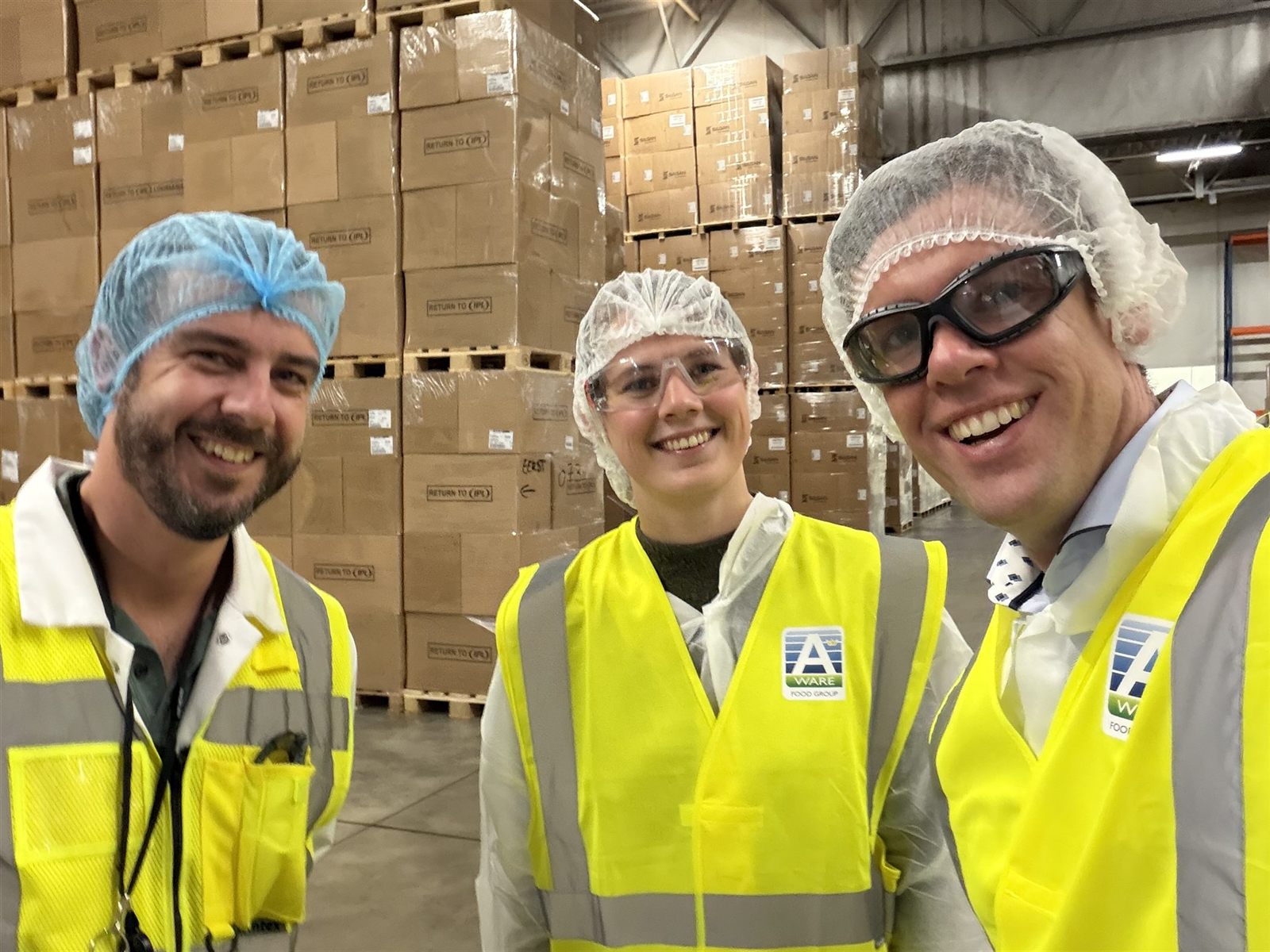
Daarom was het hoogtepuntje van mijn week om weer eens op de vloer rond te lopen in een tweetal fabrieken. Ik zie de consequenties van de keuzes die in het Sales & Operations Planning proces genomen worden. Ik hoor de mogelijkheden waarvan ik nog niet wist dat ze er waren, of de zorgen die er leven.
Waar ik het meeste van hou, is om bezig te zijn met tastbare producten.
Leve de supply chain 😊
Op de foto:
Jan Jaspers - Supply Chain Manager Incopack
Jos Verberne & Anne Alberts namens VSC Consulting | 1% for the Planet certified

VSC Consulting
25 september 2026
Een drukke september
September is voor bijna iedereen een drukke maand. Zeker als je in Supply Chain werkt: leveranciers en klanten hebben bijvoorbeeld een zomerstop gehad, de voorraadopbouw voor einde jaar is weer begonnen en Finance vraagt aan je demand planners of je volumes voor het budget kunt opleveren. En waarschijnlijk moeten er kosten bespaard worden. Of wordt er juist uitgebreid.
Ik ben daarom blij dat er inmiddels versterking is bij VSC Consulting | 1% for the Planet certified waardoor we meer opdrachtgevers kunnen helpen.
Sinds deze maand werken we met 3 consultants bij verschillende opdrachtgevers: een grote zuivelverwerker, een internationaal flavour house en een vleeswarenproducent. De opdracht die we deden voor een organisatie in mobiele camerabeveiliging is vorige week beëindigd en overgedragen aan het team.
Daarnaast werken we samen met een aantal partners, waaronder Kwattaas en The Carbon Zero Club, met wie we begin deze maand een BBQ organiseerden (zie foto). Op deze manier kunnen we op een breed aantal supply chain onderwerpen expertise aanbieden.
En we zoeken nog meer mensen. Ken jij een supply chain professional die zin heeft om mee te bouwen aan een klein, groeiend team?
Supply Chain Strategy
13 juli 2026
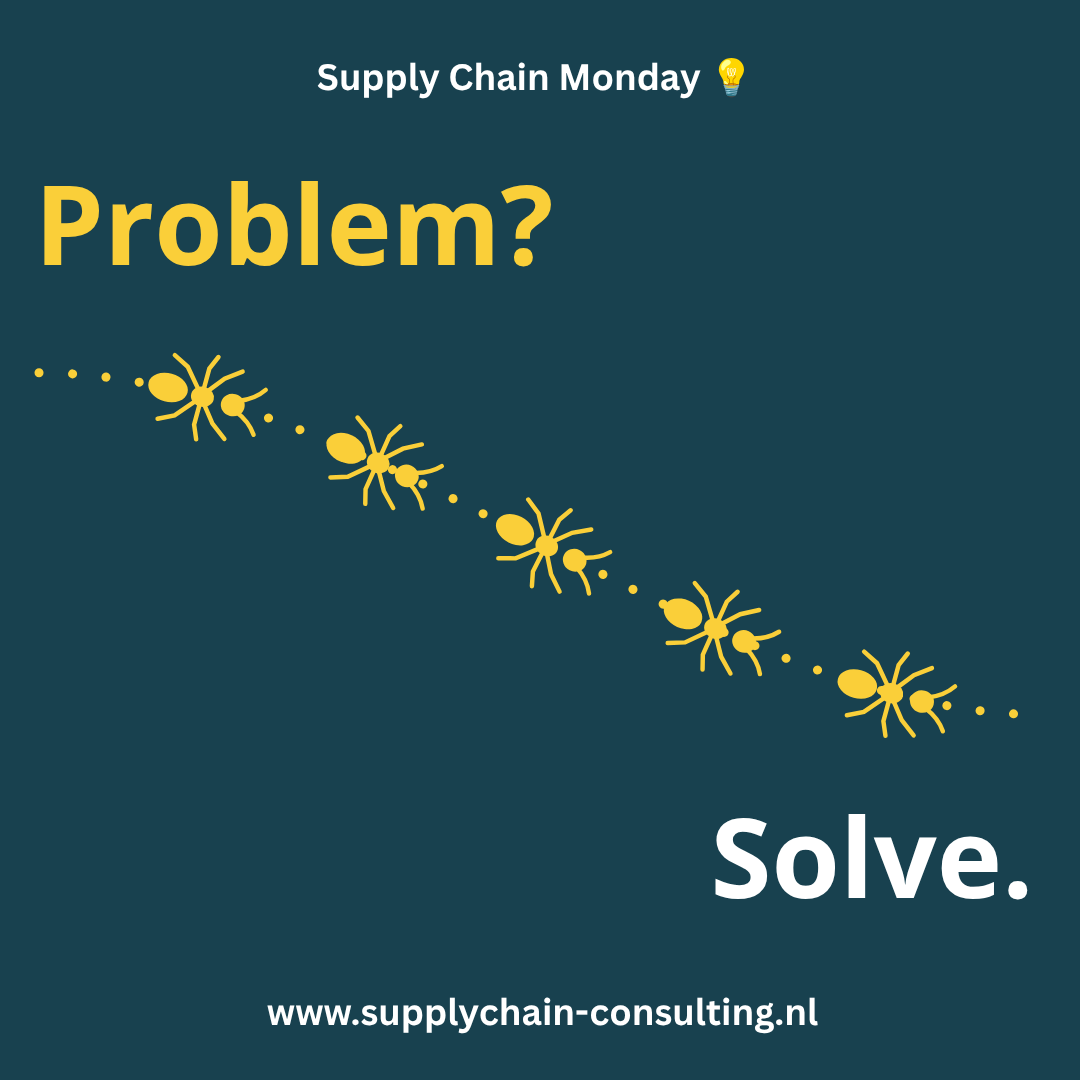
Stop killing ants one by one. Solve your problem.
Last month I had an ant infestation at home.
I tried to remove the ants one by one, every time I spotted some. It didn't work, more kept coming. Pretty gross. After 2 weeks, it was time for a more rigorous approach.
The fix needed 3 steps:
- Removed the attraction: the crumbs under my son's chair, the spilled sugar in the drawer, and the slightly sticky honey jar. No attractor, no reason to come.
- Broke the trail: cleaned the route they'd marked, so the ones behind lost the scent.
- Decreased the source (sustainably), at the nest. (Full elimination, until today, has not happened yet.)
It worked (at least we are ant-free now for about 3 days).
That's actually the same method as you might use to solve a recurring supply chain problem.
The out-of-stocks, the sourcing issues, the break-downs: those are the ants. Spraying them (more safety stock, another rush order) feels like progress, but they keep coming back.
Instead:
- Take away the attractor. Find the root cause, e.g. the broken reorder point, the promo planning no-one saw.
- Break the path. Eliminate old behaviour. Introduce better and more robust processes.
- Go to the source. Your supplier, your planning systems. Improve.
Stop killing ants one by one. Start removing the honey.
Solve your problem.
AI & Supply Chain
29 juni 2026
Be lazy.
My first job was in finance consulting. I still remember it well: the most successful partners worked 40 hours a week instead of 60, and somehow always had time to talk with me.
In supply chain, busy is good. Packed agendas, constant phone calls, video meetings that never end on time. If you've got spare time, you must be doing something wrong.
I'd argue the opposite. Lazy is good. Let the system do the work. Let it create the forecast, calculate safety stocks, optimize the route planning. The less you interfere, the better.
Where you SHOULD put your effort is the part before that: setting up and configuring those systems. Build the knowledge in your team, tweak the parameters, check the results. But once it runs, let it run.
What would you do with some spare time?
S&OP
8 juni 2026
Salespeople can't forecast. Leave them alone.
I sat across from the sales manager as we discussed sales being lower than forecast. His discomfort was easy to see; he didn't want to be in this meeting. He didn't have real explanations either for the specific numbers being off-track.
It took me a few years to understand why asking sales for numbers didn't work. The problem wasn't him.
Salespeople are fundamentally different people from supply chain planners. They are born to see opportunities, not to weigh them carefully. They excel at building a pipeline, discovering leads, getting deals done. Talking to customers.
You are in charge of the demand plan.
Do involve sales, but only for information the system can't have: ending contracts, promotions, actions from competitors. Ask for direction, not for numbers.
Do you still ask Sales for numbers — and believe the outcome?
Supply Chain Strategy
4 mei 2026
Scenario Planning
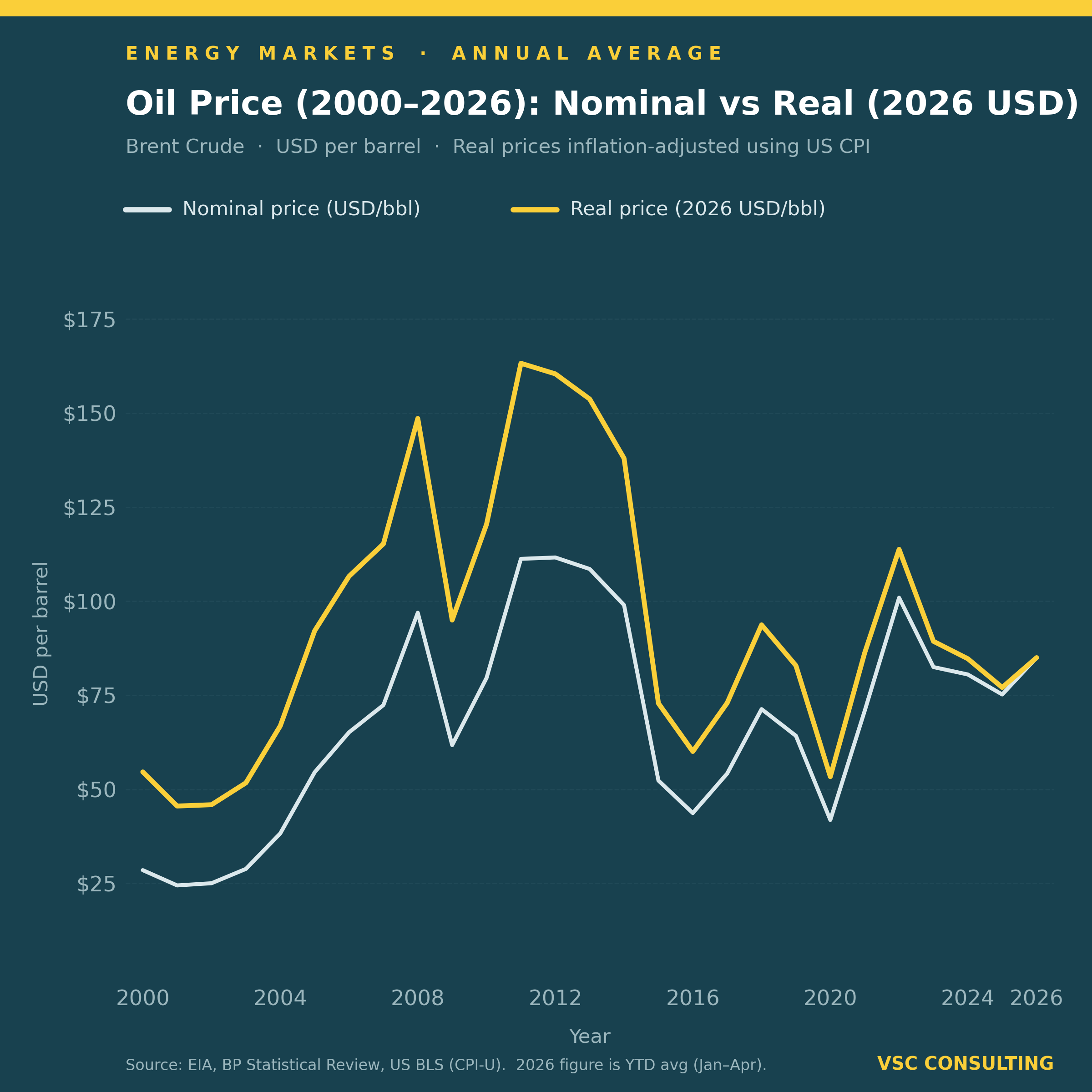
Oil prices are NOT historically high.
Supply Chain Management is all about planning. The question is whether you learn from the past.
If your company has been around for 20+ years, it has experienced higher oil prices than what we see today.
- 2000 – 2008 Massive surge due to global economic growth (especially driven by China)
- 2010 – 2014 Economic recovery after the global financial crisis and several supply disruptions (Arab Spring)
- 2021 – 2022 Post-Covid surge
If you apply scenario planning in your supply chain activities you were well prepared for a scenario with oil prices above $100.
If not, it's time to prepare now for what comes next.
- Start with a few oil price scenarios
- Oil prices rise further to $150
- Oil prices stabilize around $100
- Oil prices fall back to $50
- Translate oil price into supply chain impact
- Stress-test your supply chain per scenario
- Define strategic responses per scenario
Which of the scenarios above do you think is most likely?
AI & Supply Chain
27 april 2026
Human in the Loop
We overestimate technology in the short run, and underestimate it in the long run. (Roy Amara)
Supply chain AI is living proof of that right now.
Not every company I work with has embraced it. But the direction is clear and the pace is accelerating.
Wherever you are in that journey — experimenting with ChatGPT/Claude, automating processes with N8N or similar tools, or running your first agents — one principle should guide every design decision:
Keep the human in the loop.
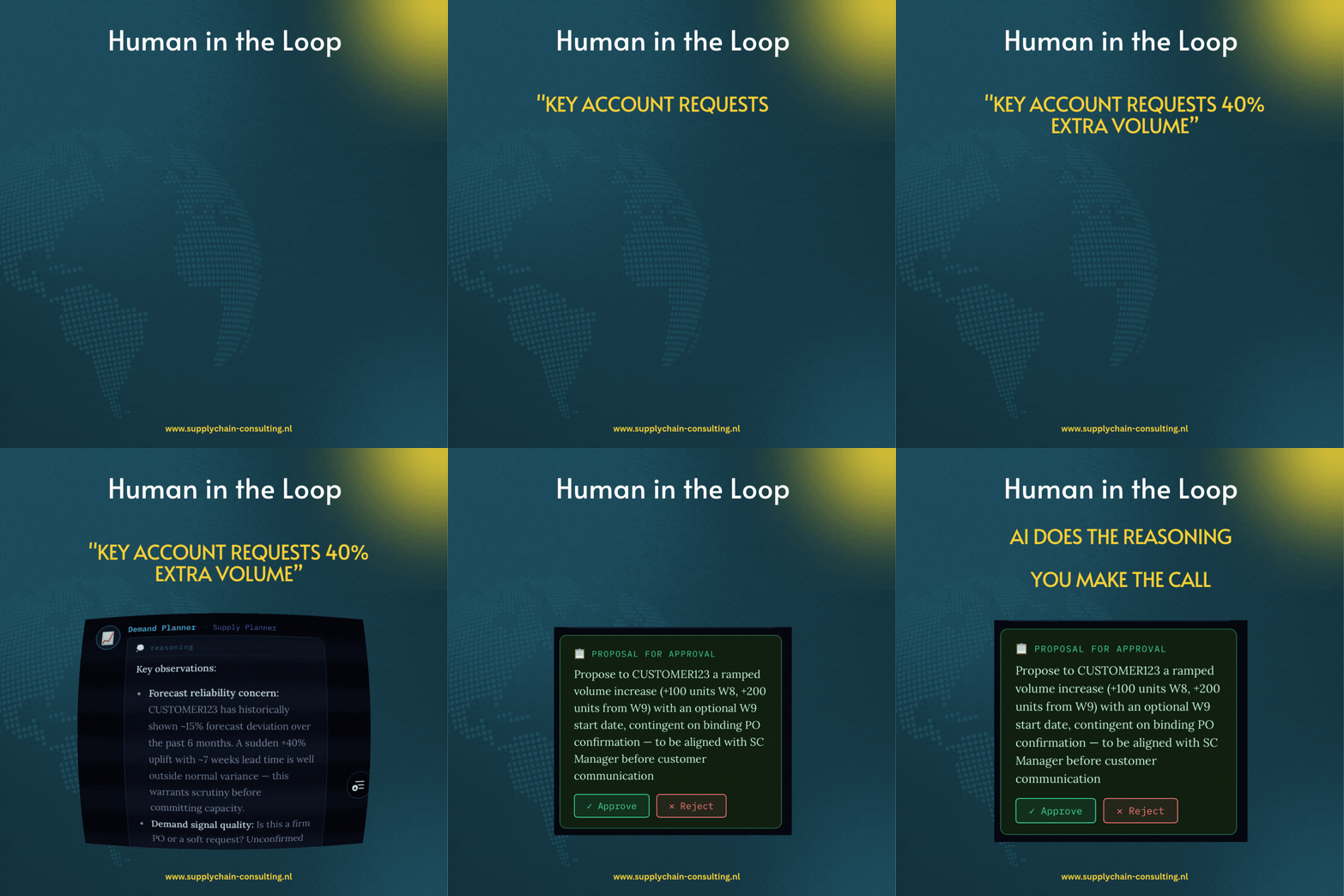
AI flags the risk. AI checks the numbers. AI proposes the action.
Then it stops. And waits for you.
AI does the reasoning. You make the call.
Where are you in the journey and what's the biggest barrier holding your organisation back?

Supply Chain KPIs
13 april 2026
Cash-to-Cash Cycle
Cash-to-cash cycle??? Your planners probably don't know what it is.
That gap is costing you money.
C2C measures how long cash is stuck between paying your supplier and collecting from your customer. It's not a complicated concept. But somehow it never makes it into the supply chain team's KPI dashboard.
Which is strange, because supply chain drives most of it.
Inventory sitting in your warehouse? That's cash. Supplier payment terms your procurement team negotiated? Cash. YOUR responsibility.
Slow-paying customers extending your cycle? Leave that to Sales or Finance 😈
Two of those three elements sit squarely in supply chain. Yet most planners are measured on fill rate and OTIF — and nobody shows them the cash impact of their decisions.
Cut 10 days of inventory in a €500M business and you don't just improve a stock metric. You free up millions in working capital. That's the kind of result that gets CFOs to actually listen to supply chain.
Finance owns the metric, supply chain owns the levers, and nobody's connecting the two.
The metric: Cash-to-cash = DSO + DIO - DPO. Unit of measure: days.
- DSO = Days Sales Outstanding
- DIO = Days Inventory Outstanding
- DPO = Days Payable Outstanding
In human speak: days it takes your customers to pay you PLUS days your inventory is sitting in your warehouse MINUS days you take to pay your suppliers.
What do you think?
Is cash-to-cash only a finance metric?
Supply Chain KPIs
7 april 2026
Perfect Order
A client once called me to complain about a delivery.
Right product. Right quantity. On time.
But the invoice was wrong. And that was enough to block payment.
Was this a successful delivery? By OTIF standards, yes. But the customer wasn't happy, and the money wasn't in the bank.
That's exactly why the Perfect Order goes beyond OTIF.
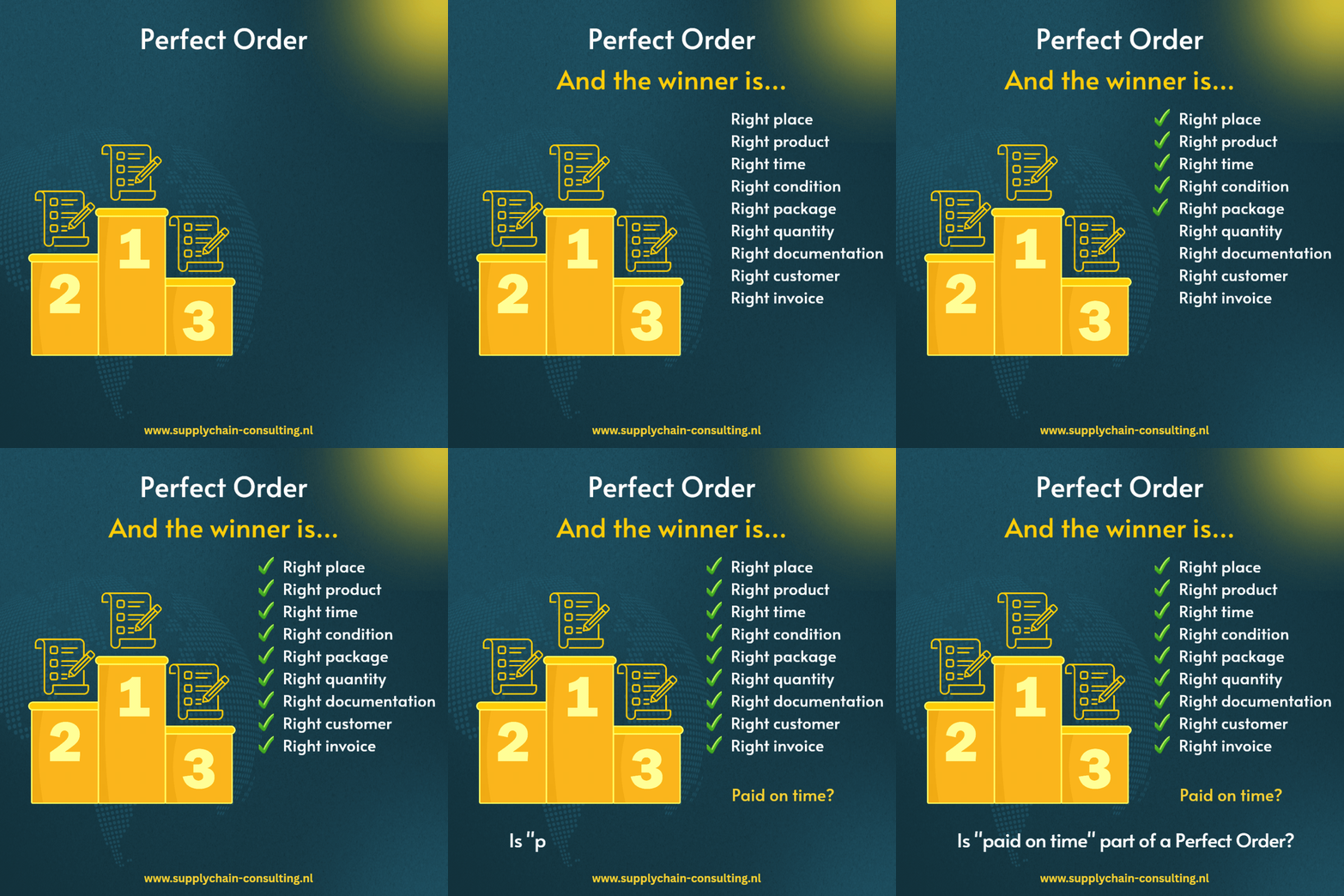
A perfect order means: right product, right quantity, right location, on time, damage-free, with the right documentation, and a correct invoice. One step fails, and the order isn't perfect.
The formula is simple: divide flawless orders by total orders, multiply by 100%. The average sits around 90%. Top performers reach 95% or higher.
But the real question is: what does your organisation count as "successful"?
If the invoice is not paid on time, is it a perfect order for you?
AI & Supply Chain
30 maart 2026
AI Supply Chain Future
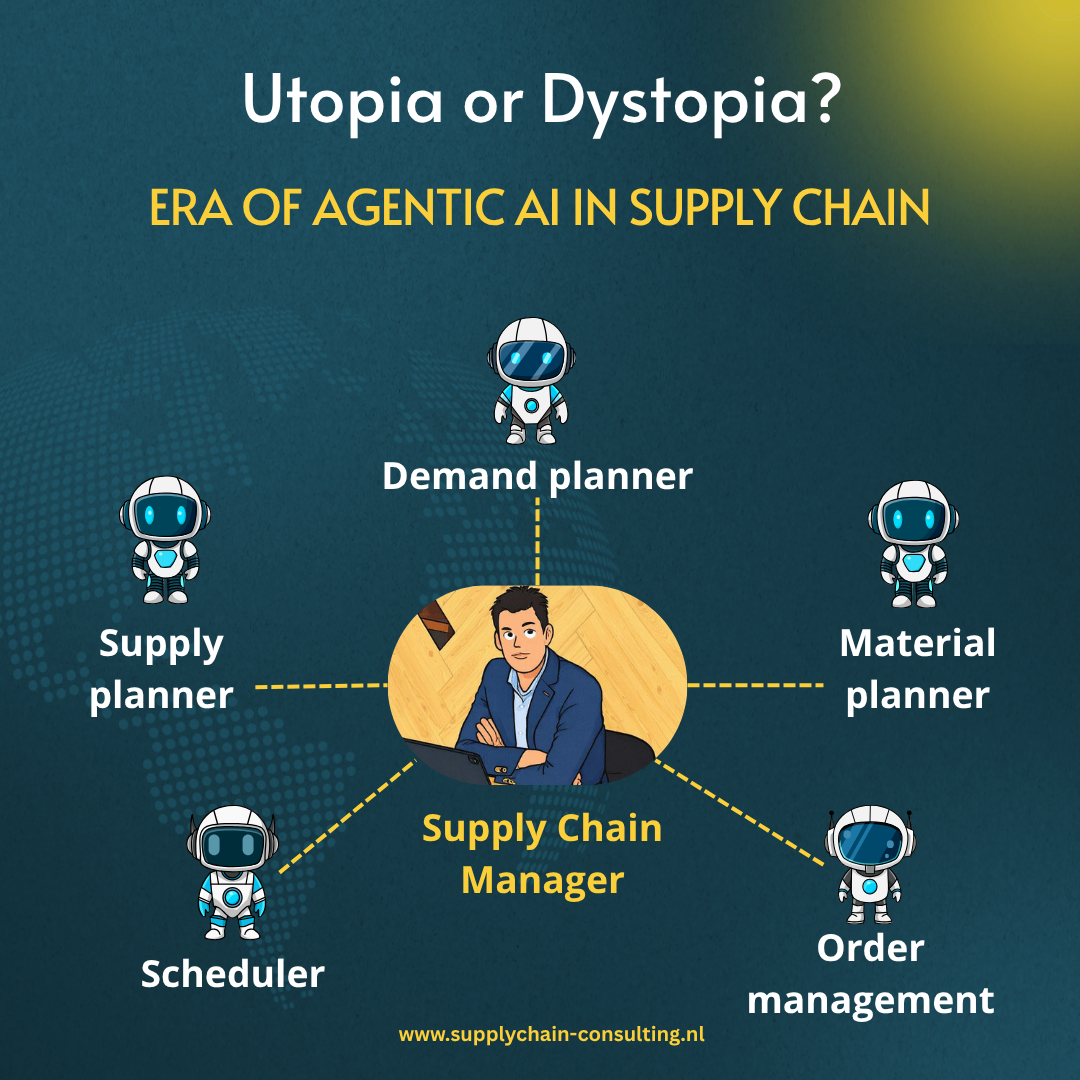
All planners will soon be robots. Except one — the Supply Chain Manager who directs them.
At least, that's one scenario.
AI and automation are going to fundamentally change supply chain planning. Demand planners, material planners, schedulers: more and more of their work can be automated. But someone still needs to configure those systems. Trust them. And correct them when they're wrong. Some supply chain professionals will be able to move into this direction.
Furthermore, many planners indicate they spend 80% of their time on routine tasks, leaving insufficient room for value added activities. With AI, this balance might finally be reversed for the better.
Utopia or dystopia? What do you think?

Supply Chain KPIs
23 maart 2026
How to measure OTIF
Most companies measure OTIF wrong.
Last week I wrote about why OTIF matters. Today's Supply Chain Monday: how to actually measure it. Because the definition you choose changes everything.
There are roughly 4 different ways to measure OTIF:
- Order lines vs. entire orders — Measure by order line = more granular, easier to spot patterns.
- Measure by full order = stricter, closer to what the customer actually experiences.
- Quantity delivered vs. quantity requested. Did you ship 95 of 100 units? That's not OTIF.
- Confirmed date vs. requested date. This one causes the most internal debates. Using the confirmed date hides planning problems. Using the requested date reveals them.
In terms of OTIF, what's most important? It's what your customer considers most important. Measuring OTIF starts by understanding the needs of your customer.
And is OTIF the same as a perfect order? What's a perfect order in your company?
Supply Chain KPIs
16 maart 2026
Why measure OTIF
"If things are going well, why bother measuring OTIF?"
It's Supply Chain Monday and I'll tell you why this is one of the most critical KPIs.
When OTIF isn't measured, companies often rely on perception instead of facts:
- Sales believes service is great.
- Operations believes delays are occasional.
- Management believes customers are satisfied.
Sometimes they're right. But they don't know what they don't know.
OTIF is more than a logistics KPI: it's the mirror of how well the whole company executes its plan.
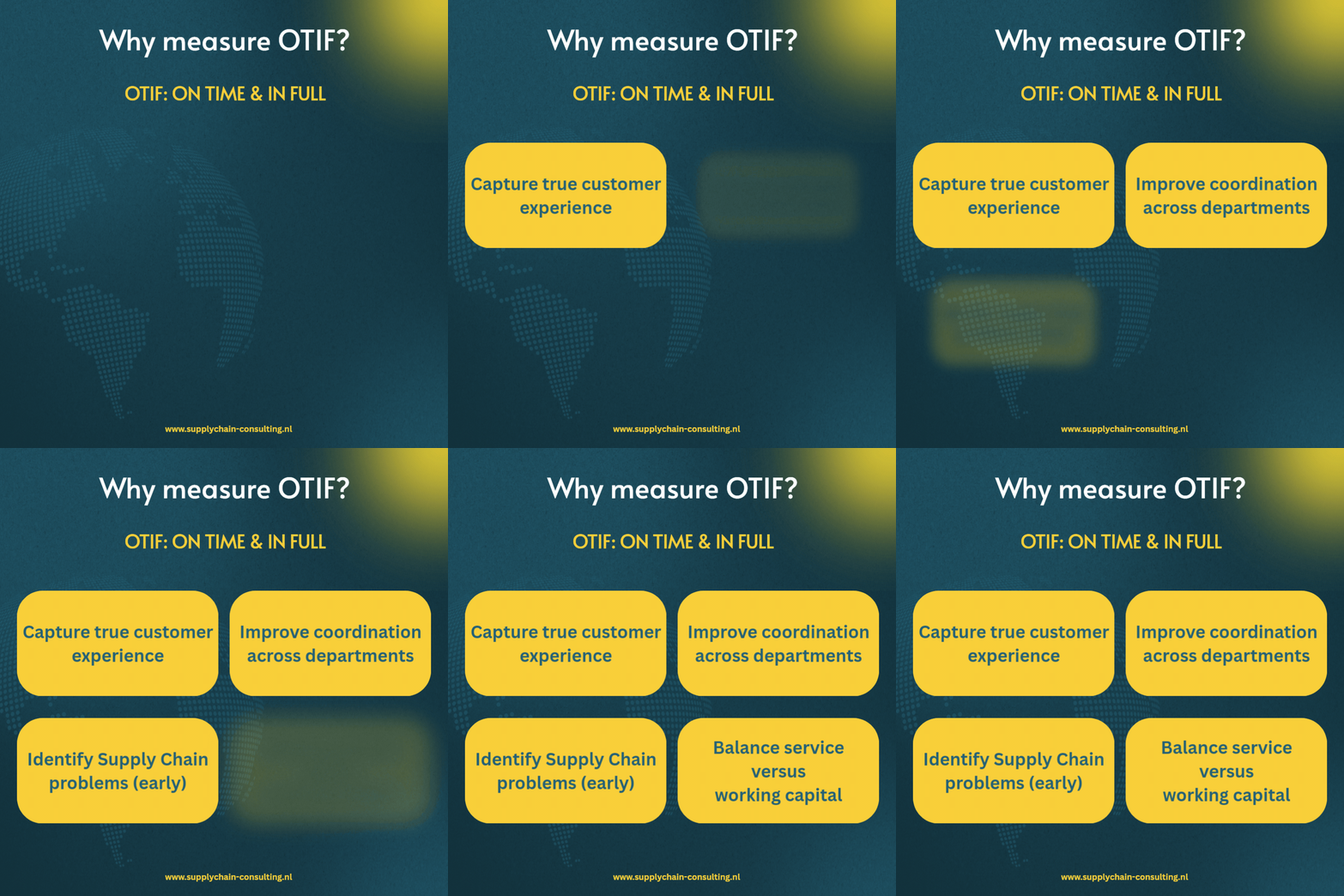
OTIF (On Time In Full) matters because it tells you:
- What customers really experience
- Whether teams across the company deliver consistently
- Where supply chain problems start
- If service improvements come from better planning… or just more inventory
So when a company tells me: "We don't measure OTIF and things are going well."
My answer is usually: "Great. Let's measure it and prove it." Because the best supply chains don't just hope service is good. They know it.
Do you think a company can do without measuring OTIF?
S&OP
9 maart 2026
Sales vs Operations
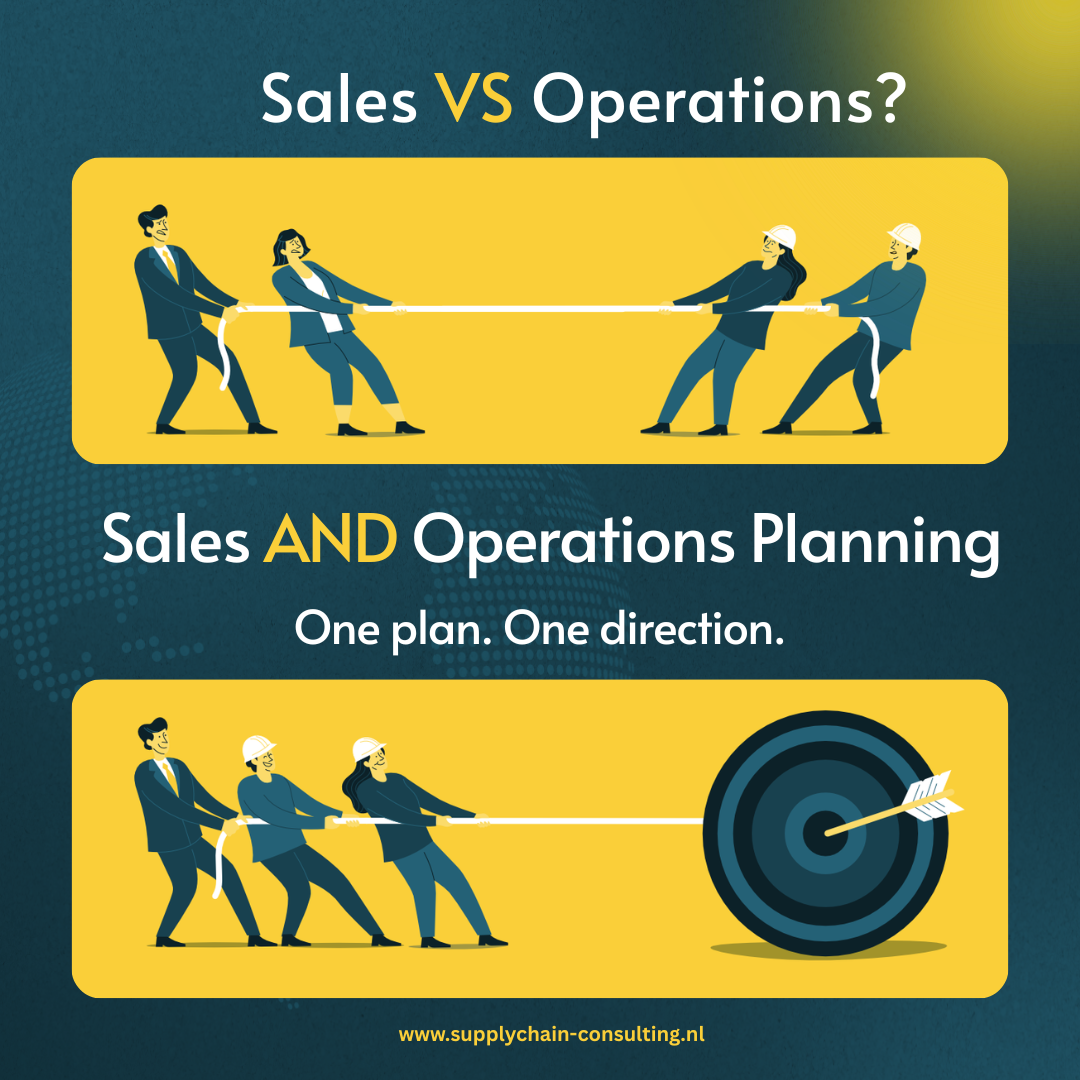
This Supply Chain Monday: does it feel like competition is present not only outside your organization but inside it as well?
Do you recognize those eternal fights between Sales and Operations departments that slow down your organization and can even affect the whole atmosphere in your company?
Sales:
- "We can't forecast. The market is simply not predictable."
- "We need flexibility. We need to sell these extras."
- "Service is what differentiates us."
Operations:
- "We can't build a plan on assumptions that shift every week."
- "Why does Sales always sell what we don't have?"
- "Every last-minute change reduces efficiency."
Both sides have a point: Sales is measured on revenue and growth, Operations is measured on efficiency, cost and reliability.
If there is no integrated plan, no shared assumptions and no explicit management trade-offs, the organization defaults to negotiation at operational level.
If those trade-offs are not made explicitly at leadership level, they will be made implicitly on the shop floor. Results: excess inventory, firefighting instead of planning, margin erosion, planners acting as mediators instead of decision-makers.
Sales & Operations Planning is about making deliberate choices at the right level: the amount of flexibility, the required service level, how to deal with constrained situations and how to manage overcapacity.
So, do you continue to allow Sales and Operations to compete? Or will you set them up for success?